



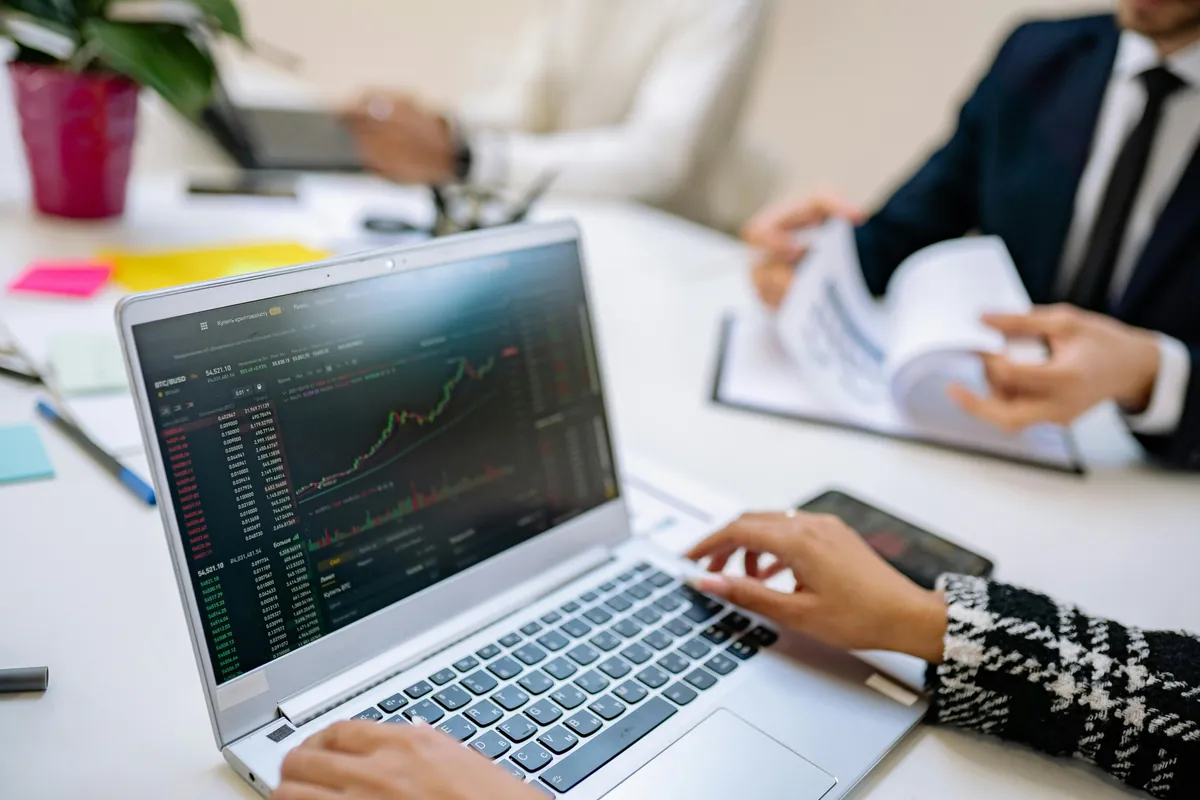


The S&P 500 futures live market data has become an essential tool for investors, traders, and financial analysts aiming to gauge market sentiment and anticipate price movements before the cash market opens. As one of the most closely watched financial indicators worldwide, S&P 500 futures provide a forward-looking glimpse into the health of the U.S. stock market and the broader economy. This article explores the significance of S&P 500 futures, how live data works, and practical ways to incorporate this information into investment decisions.
What Are S&P 500 Futures?
S&P 500 futures are financial contracts that obligate the buyer to purchase, or the seller to sell, the Standard & Poor’s 500 Index at a predetermined price on a specified future date. The S&P 500 Index, which tracks 500 of the largest U.S. companies by market capitalization, serves as a benchmark for overall market performance.
These futures contracts are traded on regulated exchanges such as the Chicago Mercantile Exchange (CME) and function as derivatives, meaning their value is derived from the underlying S&P 500 Index. The futures market operates nearly 24 hours a day during weekdays, enabling the price discovery process outside of regular stock market hours.
Historical Context and Development
The first S&P 500 futures contract was introduced in 1982, marking a significant development in financial markets. Prior to their existence, investors had limited instruments to hedge or speculate on the broader equity market. The introduction of futures provided a standardized, liquid vehicle that could be used to manage risk, enhance portfolio strategies, and express market views more efficiently.
Understanding S&P 500 Futures Live Data
Live data for S&P 500 futures reflects the most current prices at which these contracts are bought and sold. Unlike the regular stock market, which typically operates from 9:30 a.m. to 4:00 p.m. Eastern Time, futures trading extends beyond these hours, allowing market participants to react to overnight news, geopolitical events, and economic reports in real time.
Live futures prices are influenced by a range of factors including corporate earnings reports, Federal Reserve policy announcements, geopolitical developments, and macroeconomic indicators. Because futures prices anticipate cash market movements, they are widely followed as leading indicators for the daily stock market open.
Where to Track S&P 500 Futures Live
Investors can access live S&P 500 futures data through multiple platforms. These include financial news websites, brokerage platforms, dedicated market data providers, and mobile applications. Many services offer real-time streaming prices along with technical charts, volume data, and news feeds, enabling users to monitor changes closely throughout the trading day.
The Practical Significance of Monitoring S&P 500 Futures Live
Tracking S&P 500 futures live has multiple practical benefits. First and foremost, it provides insight into expected market direction before the opening bell. For example, if futures are trading significantly higher in pre-market hours, it often signals optimism and the likelihood of a positive start for stocks. Conversely, a substantial drop in futures might indicate caution or expected downturns.
Professional traders use futures data to plan their strategies in advance, adjusting positions in response to global events or overnight news. For instance, geopolitical tensions or unexpected economic data releases after regular trading hours can cause sharp moves in futures, prompting traders to alter their risk exposure accordingly.
Hedging and Risk Management
Portfolio managers and institutional investors regularly utilize S&P 500 futures live as a tool for hedging their equity holdings. By selling futures contracts, they can protect their portfolios against potential losses if the market is expected to decline. This approach helps stabilize returns and manage downside risk without having to sell individual securities.
Speculation and Arbitrage
Speculators seek to profit from short-term price movements in futures. By monitoring live data, traders can enter positions quickly to capitalize on momentum or exploit price discrepancies between the futures market and the underlying S&P 500 index. Arbitrageurs also analyze futures pricing to identify and correct inefficiencies between related markets.
How S&P 500 Futures Live Prices Reflect Broader Economic Trends
Because the S&P 500 index represents a diverse array of industries, futures prices serve as a barometer for broader economic conditions. Rising futures prices often indicate investor confidence in economic growth, corporate profitability, and favorable policy environments. Conversely, declining futures can signal concerns about recession risks, inflation pressures, or policy uncertainty.
For example, during the COVID-19 pandemic’s onset in early 2020, S&P 500 futures experienced extreme volatility, rapidly fluctuating as markets digested evolving information about economic shutdowns and stimulus measures. Such live futures data allowed market participants to react swiftly to emerging risks. Vogue lifestyle & fashion
The Role of Central Bank Policies
Monetary policy decisions by the U.S. Federal Reserve and other central banks heavily influence futures prices. Interest rate changes, quantitative easing programs, and forward guidance can impact investor sentiment about economic growth and inflation, thereby affecting S&P 500 futures movements. Following live futures data post-policy announcements offers critical clues to how markets interpret these decisions.
Tips for Using S&P 500 Futures Live Data Effectively
To maximize the benefits of tracking S&P 500 futures live, investors should consider several best practices:
-
Integrate with Other Market Indicators: Futures data should be viewed alongside broader economic data, technical analysis, and news events to build a comprehensive market outlook.
-
Understand Futures Expiration Dates: Each futures contract has an expiration date, and price behavior can change as contracts near expiration due to rollover activity.
-
Exercise Caution with Volatility: Futures markets can be more volatile than cash equities, especially during geopolitical crises or major economic announcements.
-
Use Reliable Data Sources: Ensure that live data streams come from reputable platforms with minimal latency to make timely decisions.
-
Practice Risk Management: Set stop-loss orders and position limits to protect against adverse price swings inherent in futures trading.
Conclusion
The ability to access S&P 500 futures live has revolutionized how investors and traders approach the stock market. By providing real-time insights into anticipated market direction, these futures contracts serve as indispensable tools for risk management, strategic trading, and economic forecasting. Understanding how to interpret and apply S&P 500 futures live data can enhance investment decision-making and better prepare market participants for shifting financial landscapes.
Frequently Asked Questions
What is the difference between S&P 500 futures and the S&P 500 index?
The S&P 500 index measures the current value of 500 large U.S. companies’ stocks. In contrast, S&P 500 futures are contracts to buy or sell the index at a future date and price. Futures enable trading outside regular stock market hours and are used for speculation, hedging, and price discovery.
Why do S&P 500 futures trade almost 24 hours a day?
S&P 500 futures trade nearly around the clock during weekdays to allow investors to react to international events, economic data releases, and news that occur outside regular market hours. This extended trading helps maintain continuous price discovery and market efficiency.
How reliable are S&P 500 futures as indicators of market direction?
While S&P 500 futures often provide a good indication of how the U.S. stock market will open, they are not infallible. Futures prices can be influenced by short-term volatility and speculative activity, so it is important to corroborate futures data with other market signals.
Can individual investors trade S&P 500 futures?
Yes, individual investors can trade S&P 500 futures through brokerage accounts that offer access to futures markets. However, due to leverage and market volatility, futures trading carries significant risk and requires proper education and risk management.
What factors most influence the price of S&P 500 futures?
Major influences include corporate earnings reports, macroeconomic data, Federal Reserve policy decisions, geopolitical developments, and global economic conditions. These factors collectively shape investor sentiment and the expected future performance of the underlying index.




4 thoughts on “S&P 500 Futures Live: Understanding Market Movements in Real Time”