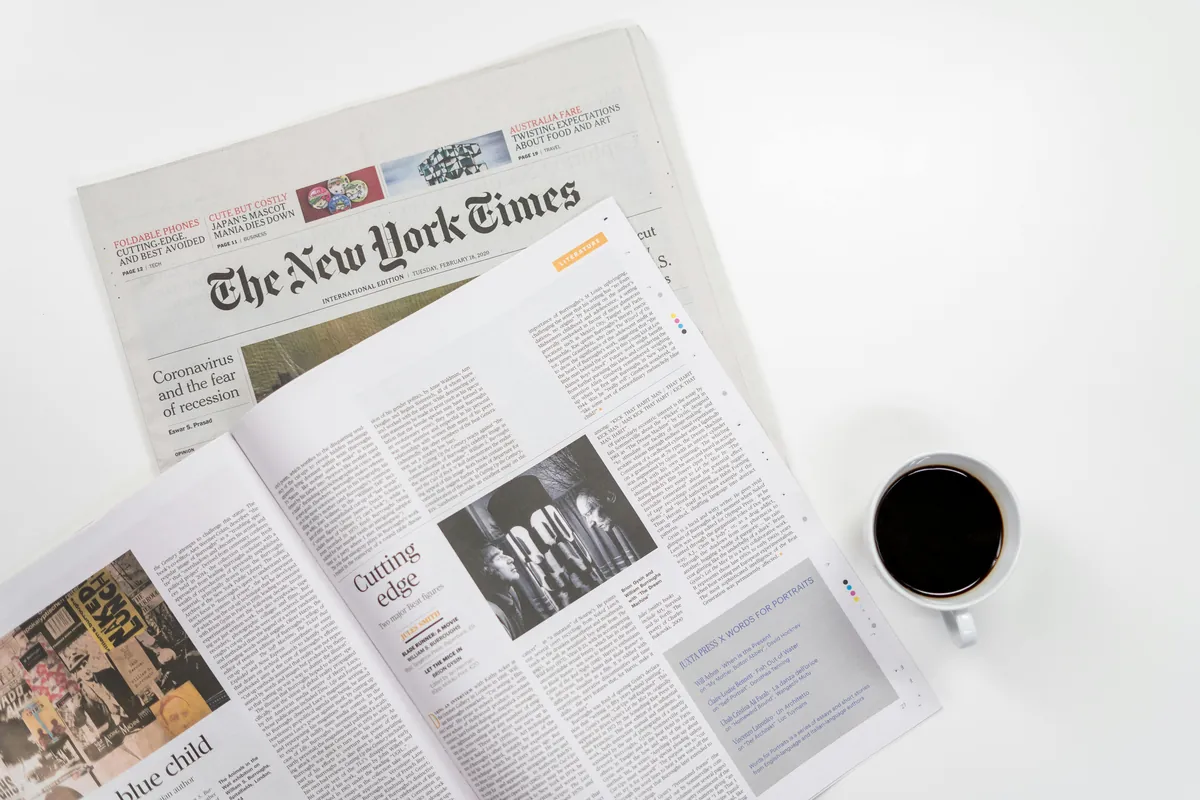






In today’s fast-paced digital world, headlines are the gateways to the stories that shape our daily lives. Whether scrolling through social media, browsing news apps, or catching the morning paper, the headline often determines if we engage with an article or scroll past it. This makes headlines more than just a label—they are powerful tools that influence what information we absorb and remember.
Understanding the role and impact of headlines is essential. They don’t just summarize news—they frame narratives, create expectations, and sometimes, even sway public opinion. As readers, being aware of how headlines work can help us navigate the overwhelming flow of information and develop a more critical approach to news consumption.
The Art and Science of Crafting Headlines
Why Headlines Matter
Headlines are often the first contact point between the reader and the story. A well-crafted headline grabs attention, piques curiosity, and encourages clicks. News organizations rely on headlines to boost readership and engagement, making them a key part of their editorial strategy.
Beyond attracting readers, headlines must distill complex information into a concise, digestible phrase. This balance between brevity and clarity is challenging but necessary. A headline that is too vague may fail to communicate the essence of the story, while an overly detailed one can become cumbersome.
Techniques Behind Effective Headlines
Some common techniques used to write effective headlines include:
- Action verbs: Using verbs that convey movement or change can create a sense of urgency or relevance.
- Numbers and lists: Headlines with numbers (e.g., “5 ways to…”) often perform well because they promise clear, organized information.
- Questions: Framing headlines as questions invites readers to seek answers from the article.
- Emotional triggers: Words that evoke curiosity, surprise, or concern can increase reader interest.
While these techniques enhance headline appeal, news outlets must strike a balance to avoid sensationalism or misleading summaries that distort the story’s true message.
The Impact of Headlines on News Perception
First Impressions and Bias
Headlines shape first impressions more than most realize. Many readers skim headlines rather than read full articles, forming opinions based solely on those brief phrases. This tendency can lead to misconceptions if the headline oversimplifies or dramatizes the content.
Additionally, headlines can introduce subtle biases by focusing on specific aspects of a story or using emotionally charged language. This framing effect influences how audiences perceive the news, potentially skewing public discourse.
Headlines in the Age of Digital News
The rise of social media platforms and news aggregators has amplified the role of headlines in shaping what information spreads. Algorithms prioritize content that generates clicks and shares, often favoring sensational or emotionally engaging headlines.
As a result, news consumers encounter an endless stream of eye-catching headlines designed to compete for attention. This environment increases the risk of misinformation or oversimplified narratives gaining traction through viral sharing.
Tips for Readers: Navigating Headlines Wisely
Look Beyond the Headline
To avoid being misled, it’s important to read beyond the headline. Skimming the article or at least the first few paragraphs can provide better context and reduce the risk of misunderstanding.
Check Multiple Sources
Cross-referencing headlines and stories from various reputable sources helps identify differing perspectives and prevents taking one headline at face value. This practice encourages a more balanced understanding of current events.
Be Mindful of Bias and Sensationalism
Recognize when headlines use exaggerated or emotional language. Ask whether the headline’s tone aligns with the story’s facts or if it is designed primarily to provoke an emotional reaction.
The Future of headlines: Trends and Innovations
Personalized Headlines
With advances in artificial intelligence, news platforms are experimenting with personalized headlines tailored to individual readers’ interests and reading habits. This approach aims to increase engagement but raises questions about creating echo chambers where readers only see news that reinforces their views.
Interactive and Multimedia headlines
Emerging technologies also enable headlines to incorporate multimedia elements like animations or interactive graphics. These innovations could make headlines more engaging, especially on mobile devices, where attention spans are short.
Conclusion
Headlines carry enormous weight in how we consume and interpret the news. Their ability to attract attention and frame narratives makes them essential tools for journalists and powerful influencers of public perception. As news consumers, developing a critical eye toward headlines can help us stay informed, avoid misconceptions, and appreciate the full complexity of the stories behind the words.
FAQ
Why are headlines so important in news articles?
Headlines are important because they capture readers’ attention, summarize the main point of the article, and influence whether people decide to read further. They also shape the initial impression and understanding of the news. Wikipedia
How can I tell if a headline is misleading?
A misleading headline often exaggerates, oversimplifies, or distorts the story’s content. Checking the full article, looking for sensational language, and comparing multiple sources can help determine if a headline is trustworthy.
Do headlines affect how people perceive news bias?
Yes, headlines can introduce bias by emphasizing particular angles or using emotionally charged words. This framing influences how readers interpret the story and can shape their opinions.
What techniques do writers use to create engaging headlines?
Writers use techniques like action verbs, numbers, questions, and emotional triggers to make headlines more compelling and encourage readers to click and read the full article.
How might headlines evolve with future technology?
Headlines might become more personalized using AI, tailored to individual interests, and incorporate multimedia and interactive elements, making them more engaging, especially on mobile devices.