






The phrase “51st state” is often used in political discussions about potential U.S. expansions. However, it has also taken on a fascinating cultural and travel-related meaning. From popular vacation destinations to unique territories with ties to the United States, the idea of a “51st state” captures imaginations and invites exploration beyond the continental U.S. This article delves into the concept, its history, and how it influences travel trends and cultural exchanges around the world.
What Does “51st State” Mean?
In the most literal sense, the “51st state” refers to any region or territory that might become the next official state within the United States. Currently, the U.S. has 50 states, but over the years, several places have been discussed as candidates for statehood, including Puerto Rico, Washington D.C., and Guam.
Beyond politics, the term “51st state” has evolved into a cultural idiom describing places strongly influenced by American culture or frequented heavily by U.S. travelers. These locations often feel like extensions of the U.S. due to language, customs, infrastructure, or a significant American presence. For travelers, “51st state” destinations offer a blend of familiarity and exotic appeal.
Historical Context: Territories and the Promise of Statehood
The United States has expanded through the admission of new states over centuries, starting with the original 13 colonies. Territories like Alaska and Hawaii eventually became states after economic and political developments motivated official inclusion. Since then, other areas have contended for statehood, sparking debates over identity, governance, and geography.
One notable ongoing discussion involves Puerto Rico. Despite being a U.S. territory since 1898, Puerto Rico remains unincorporated and its residents are American citizens without full voting rights in Congress. Various referendums have shown mixed support for statehood, independence, or maintaining the status quo. This debate highlights the complexities tied to the “51st state” designation.
Travel and Tourism: The “51st State” as a Cultural Concept
Many travelers refer to certain international or U.S. territories as “the 51st state” because of their deep connections with American culture, ease of travel for U.S. citizens, or their popularity among Americans. Let’s explore some of these destinations and why they earn this nickname.
Puerto Rico: The Most Common Candidate
Puerto Rico is often the first place that comes to mind when discussing the “51st state.” Located in the Caribbean, it’s a U.S. territory that offers American travelers the conveniences of familiar currency (U.S. dollars), language (English widely spoken alongside Spanish), and customs regulations without passport requirements for U.S. citizens.
Tourists flock to Puerto Rico for its vibrant cities like San Juan, beautiful beaches, rainforests like El Yunque, and historic sites such as Old San Juan’s forts. The mix of tropical island culture with American influences makes it an accessible and enticing travel spot often described as “America’s Caribbean.”
Washington D.C.: The Nation’s Unique District
Though not a separate state, Washington D.C. holds a unique place in the U.S. political and cultural landscape. Sometimes humorously referred to as the “51st state” by its residents, D.C. lacks voting representation in Congress despite being the nation’s capital.
For travelers, D.C. offers a rich historical experience with landmarks like the Capitol Building, Smithsonian museums, and national monuments. Its status sparks ongoing conversations about representation and statehood rights, making it a living example of the “51st state” debate.
Guam and Other U.S. Territories
Guam, a U.S. territory in the western Pacific, and other territories such as the U.S. Virgin Islands and American Samoa, are sometimes grouped under the “51st state” umbrella due to their American affiliations. While they have their own distinct cultures and governments, their connections to the U.S. influence travel patterns and cultural identity.
For example, Guam is a popular destination for military personnel and offers a mix of indigenous Chamorro culture and American amenities. Like Puerto Rico, these destinations provide a blend of exotic appeal with American familiarities, attracting tourists who want a unique yet comfortable experience.
International Places Nicknamed the “51st State”
Beyond official territories, some countries or regions have earned the nickname “51st state” due to their strong economic, cultural, or political ties to the United States. While these places remain independent nations, the term reflects perceptions about their close relationship with America.
Canada: America’s Northern Neighbor
Canada shares the longest undefended border with the U.S. and has many cultural and economic similarities. While it is a sovereign nation, some jokingly call it the “51st state” because of the deep ties and interconnected lifestyles between Americans and Canadians. The robust tourism flow between the countries further highlights this relationship.
Other Countries with Strong U.S. Influence
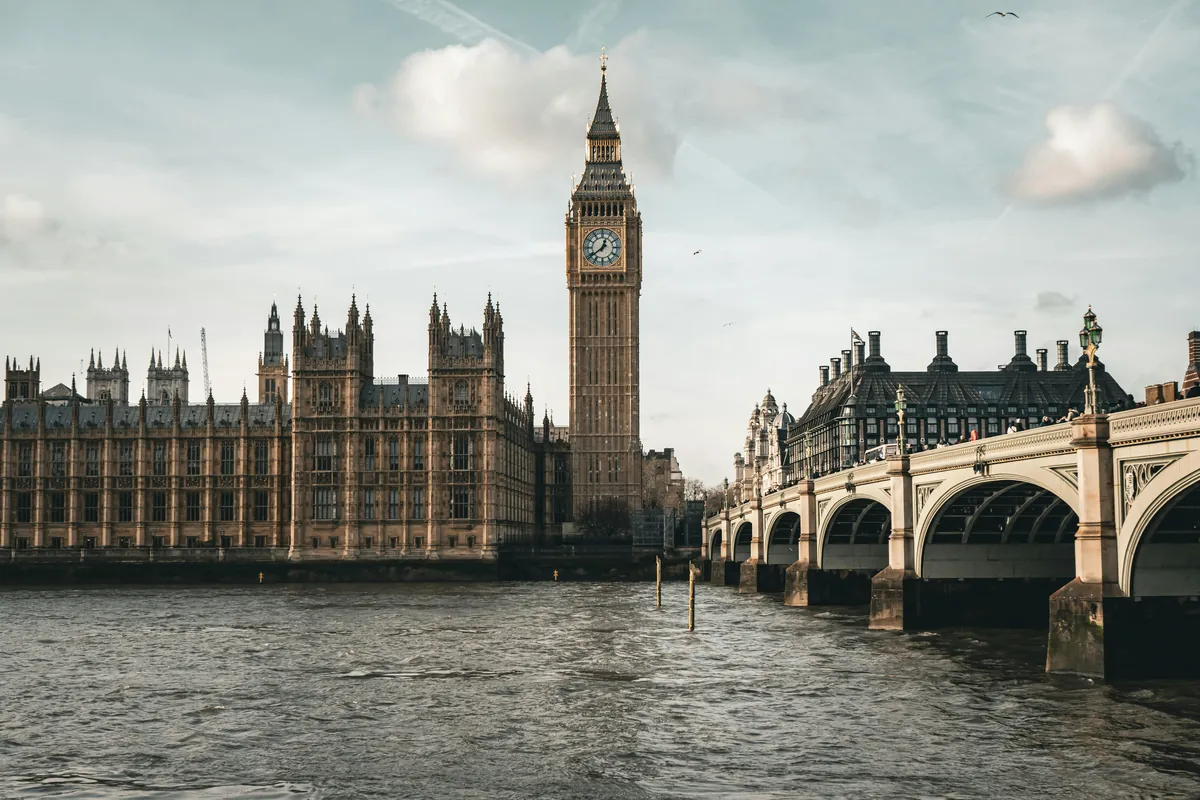
Countries like the United Kingdom, Australia, and the Philippines have historical or cultural links to the U.S., often sharing language, pop culture, and political alliances. While the “51st state” label is more tongue-in-cheek in these cases, it underscores how American cultural influence extends globally. Lonely Planet travel guides
How the Concept Shapes Travel Decisions
For Americans eager to experience a different culture without straying too far from home comforts, “51st state” destinations offer a compelling balance. These places usually accept U.S. currency, have English widely spoken, and require no or minimal travel documentation, simplifying travel logistics.
For example, planning a vacation to Puerto Rico might feel less intimidating than traveling to other Caribbean islands requiring passports and foreign currencies. Similarly, a road trip through Washington D.C. allows immersion in U.S. history with the feel of a unique political entity.
Travel agencies, airlines, and tourism boards often leverage the “51st state” branding to attract American tourists looking for convenient yet culturally rich vacations.
Looking Ahead: Could There Be a Real 51st State?
The political future of the “51st state” remains uncertain. Puerto Rico has made recent moves toward statehood, and advocacy for Washington D.C.’s statehood continues to gain momentum in Congress. Meanwhile, other territories watch these developments with interest but face their own unique challenges.
From a travel perspective, whether or not these places become official states, they continue to serve as bridges between American culture and global experiences. For travelers, this means a growing number of diverse destinations that offer familiarity combined with adventure.
Frequently Asked Questions
What is the “51st state” most commonly referring to?
Most commonly, the “51st state” refers to Puerto Rico or Washington D.C., territories considered likely candidates for U.S. statehood due to political debates and cultural ties.
Do Americans need a passport to travel to the “51st state” territories?
U.S. citizens do not need a passport to travel to U.S. territories like Puerto Rico, Guam, or the U.S. Virgin Islands, making these popular travel options for Americans seeking convenience.
Is the term “51st state” used outside of politics?
Yes, the term is often used culturally and colloquially to describe places with strong American ties or frequent American visitors, even if they are not official states.
Why is Washington D.C. called the “51st state”?
Washington D.C. is called the “51st state” because it lacks voting representation in Congress and statehood advocates push for its admission as a state, highlighting its unique political status.
Can other countries be called the “51st state”?
In informal contexts, some countries with strong U.S. influence, like Canada or the Philippines, are jokingly called the “51st state,” but this is not an official or political designation.
One thought on “Exploring the Concept of the “51st State”: Travel, Culture, and Global Curiosities”